Small Practices, Repeated Often: Nervous System Care for Emotional Well-Being
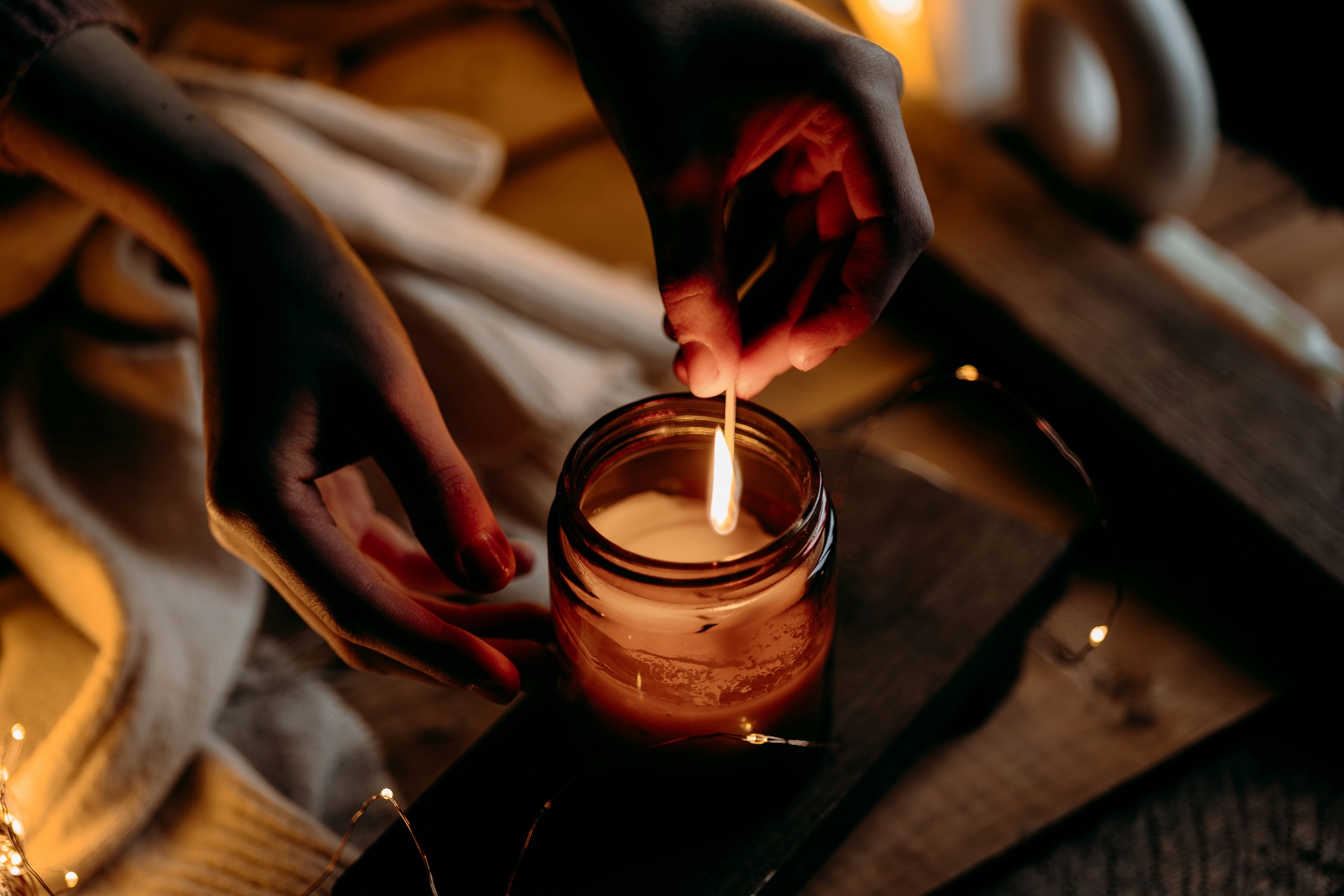
The nervous system often responds best to rhythm.
One deep rest session can be meaningful. But repeated practices — small, regular moments of regulation — are often what help the body learn a new baseline over time.
Research on meditation programs has found evidence for improvements in anxiety, depression, stress, pain, and other stress-related outcomes. Studies on slow breathing and heart rate variability biofeedback suggest that breathing practices can influence autonomic regulation, heart rate variability, and psychological flexibility.
In plain language: the body can learn through repetition.
This does not require perfection. A nervous system practice does not need to be dramatic to be effective. It may look like five minutes of slow breathing, a guided meditation, a quiet walk, a Reiki session, a hand on the heart, a warm cup of tea after a difficult day, or pausing before rushing into the next demand.
The power is often in returning.
Frequent regulation practices can support emotional steadiness, stress recovery, and a greater sense of connection to the body. For people navigating chronic stress, illness, grief, caregiving, burnout, or major life transitions, these moments can become anchors.
At White Lily Reiki, sessions are designed to support that kind of return: not as an escape from life, but as a way of helping the body remember steadiness within it.
Curious about a session? Read more about what Reiki is, explore current offerings, or book a session.
References
- Goyal, M., et al. (2014). "Meditation programs for psychological stress and well-being: A systematic review and meta-analysis." JAMA Internal Medicine, 174(3), 357–368. doi:10.1001/jamainternmed.2013.13018
- Lehrer, P. M., & Gevirtz, R. (2014). "Heart rate variability biofeedback: How and why does it work?" Frontiers in Psychology, 5, 756. doi:10.3389/fpsyg.2014.00756
- Zaccaro, A., et al. (2018). "How breath-control can change your life: A systematic review on psycho-physiological correlates of slow breathing." Frontiers in Human Neuroscience, 12, 353. doi:10.3389/fnhum.2018.00353
This article is for educational purposes only and is not medical advice. Reiki is complementary wellness support and is not a substitute for medical or psychological care.