Why Human Touch Helps the Nervous System Feel Safer
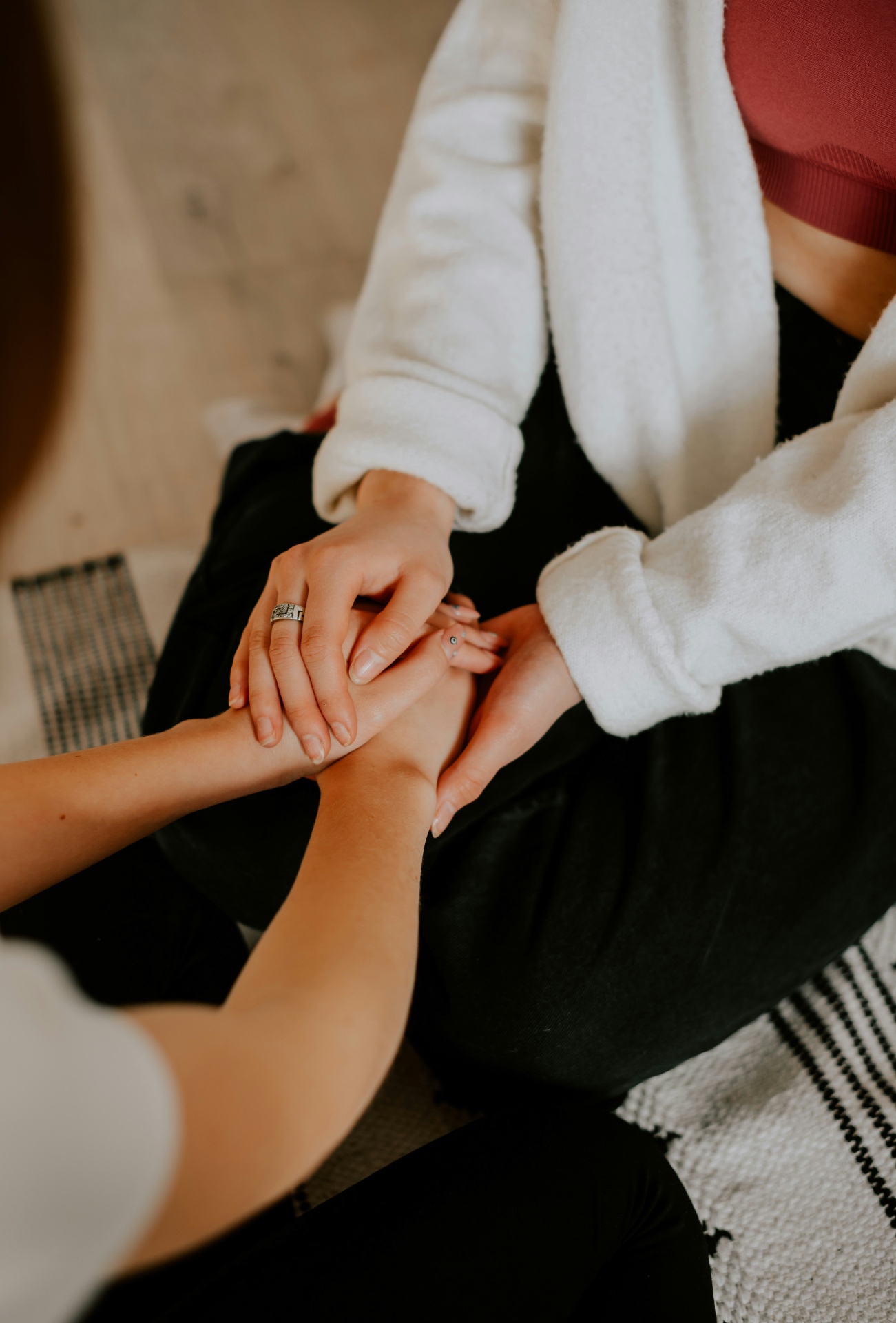
Human touch is one of the earliest ways the nervous system learns safety.
Before language, before explanation, the body often understands care through warmth, presence, proximity, and contact. Safe, consent-based touch can communicate something very simple to the body: you are not alone here.
Research has begun to describe this in measurable ways. In one study, hand-holding during a stressful threat task reduced threat-related activity in the brain, especially when the hand belonged to a trusted partner. The study suggested that supportive touch can help regulate how the nervous system responds to stress.
A large 2024 review and meta-analysis of touch interventions also found that touch-based interventions were associated with improvements in several physical and mental health outcomes, including pain, anxiety, depression, and stress-related measures.
This does not mean touch is always appropriate, or that everyone wants the same kind of contact. For many people, especially those with trauma histories, chronic illness, sensory sensitivity, or nervous system overwhelm, safety and consent matter deeply.
At White Lily Reiki, touch is never assumed. Reiki may be offered with light touch or completely hands-off, depending on client comfort. The purpose is to create conditions where the body may begin to soften its protective bracing.
Healing touch, when offered respectfully, can become one way the nervous system remembers support.
Curious about a session? Read more about what Reiki is, explore current offerings, or book a session.
References
- Coan, J. A., Schaefer, H. S., & Davidson, R. J. (2006). "Lending a hand: Social regulation of the neural response to threat." Psychological Science, 17(12), 1032–1039. doi:10.1111/j.1467-9280.2006.01832.x
- Packheiser, J., et al. (2024). "A systematic review and multivariate meta-analysis of the physical and mental health benefits of touch interventions." Nature Human Behaviour. https://www.nature.com/articles/s41562-024-01841-8
This article is for educational purposes only and is not medical advice. Reiki is complementary wellness support and is not a substitute for medical or psychological care.